
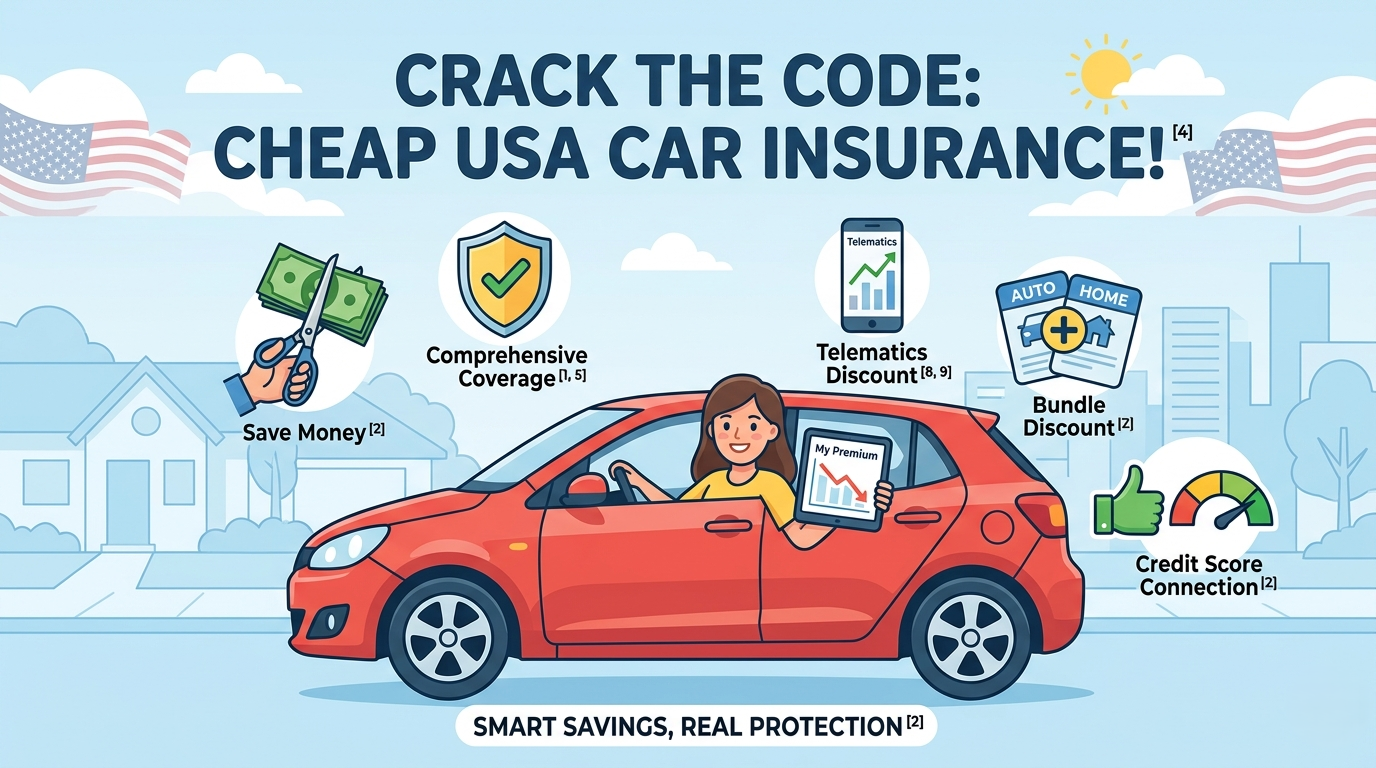
Have you ever opened your car insurance bill and felt a sudden knot in your stomach? You aren’t alone. In 2026, the average American is paying nearly $3,000 a year for full coverage. That’s like buying a used jet ski every single year just for the “privilege” of driving your own car!
But here is the secret the big insurance companies don’t always lead with: You have more control over that number than you think.
Whether you’re a college student on a budget or a parent trying to keep the family fleet running, this guide will show you how to slash those premiums without losing the protection you need.
1. Know the “Big Three” Coverage Types
Before you can save money, you need to know what you’re actually paying for. Most policies are a “choose your own adventure” of three main parts:
- Liability (The Law): This is mandatory in almost every state. It doesn’t fix your car; it pays for the other person’s repairs or medical bills if you cause a crash.
- Collision: This pays to fix your car if you hit something (another car, a fence, or even a rogue shopping cart).
- Comprehensive: Think of this as “bad luck” insurance. It covers theft, fire, falling trees, or hitting a deer.
Pro-Tip: If your car is worth less than $3,000, you might be overpaying for Collision and Comprehensive. Dropping these can save you hundreds instantly!
2. The “Hidden” Factors That Hike Your Rate
Insurance companies use a “risk score” to decide your price. While you can’t change your age, you can fix these:
- The Credit Score Connection: In most states, a low credit score can double your insurance rate. Why? Statistics show people with better credit tend to file fewer claims.
- Your ZIP Code: If you live in a high-crime area or a city with frequent flooding, you’ll pay more. Moving just a few miles into a safer suburb can sometimes drop your rate significantly.
- The “Usage” Trap: Do you drive 5 miles to work or 50? If you’ve started working from home, tell your agent! Lower mileage equals lower risk.
3. The New Way to Save: Telematics (Pay-As-You-Drive)
If you’re a safe driver, why should you pay the same as a speed demon? Modern insurance now uses Telematics.
This is a small device or a smartphone app that tracks how you drive. If you don’t slam on your brakes, don’t speed, and don’t drive at 3:00 AM, the insurance company gives you a massive discount. Some drivers see their bills drop by 30% or more just by proving they are safe.
4. Quick Hacks for Instant Discounts
Don’t leave money on the table. Ask your agent about these:
- The “Bundle” Bonus: Put your car and renters/homeowners insurance with the same company. It’s the easiest 10-15% you’ll ever save.
- The “Good Student” Discount: If you have a student on your policy with a “B” average or higher, most companies will cut you a break.
- Raise Your Deductible: If you can afford to pay $1,000 out of pocket instead of $500 if you have a crash, your monthly bill will drop immediately.
🏁 The Takeaway
Getting the cheapest car insurance isn’t about finding a “magic” company. It’s about being a smart shopper. Compare at least three quotes every year, keep your credit score healthy, and only pay for the coverage you actually need.
❓ Frequently Asked Questions
1. Is “Minimum Coverage” enough? Legally, yes. But if you cause a major accident, the “minimum” might only pay $25,000, leaving you responsible for the rest of the bill out of your own pocket.
2. Does my color of car affect my rate? Nope! That’s a myth. Whether your car is “Red” or “Beige,” the insurance company cares more about the engine size and safety features.
3. Will one speeding ticket ruin my rate? It will likely go up, but many companies offer “accident forgiveness” or will remove the surcharge after 3 years of clean driving.
Disclaimer
1. General Information Only The information provided in this blog post is for general informational purposes only and should not be construed as professional financial, legal, or insurance advice. While we strive to provide accurate and up-to-date content, laws and insurance regulations vary significantly by state and are subject to frequent changes.
2. No Professional Relationship Reading this content does not create a broker-client or attorney-client relationship between you and the author or website owner. You should always consult with a licensed insurance agent or a qualified professional before making any decisions regarding your vehicle insurance coverage or financial strategy.
3. Accuracy and “As-Is” Policy All information is provided “as-is” without any warranties of any kind, express or implied. We do not guarantee that the strategies mentioned will result in lower premiums for every individual, as insurance rates depend on personal factors such as driving history, location, and credit score.
4. Third-Party Links This post may contain links to third-party websites. We are not responsible for the accuracy, content, or reliability of any information found on those external sites.
5. Limitation of Liability Under no circumstances shall the authors or website owners be held liable for any loss or damage arising from your reliance on the information provided herein. Use of this site and its content is strictly at your own risk.